

One of the biggest questions new lifters ask is surprisingly simple:
"How much weight should I use?"
Many people delay starting because they're worried about choosing a weight that's too heavy—or looking inexperienced by choosing one that's too light.
Here's the good news:
Your first workout isn't about discovering how strong you are. It's about discovering where to begin.
At Muscular America, we believe strength is built patiently. The goal isn't to impress anyone. The goal is to build the capability to keep moving, working, exploring, and enjoying life for decades to come.
Start Lighter Than You Think
Almost everyone benefits from beginning with less weight than they believe they can lift.
A lighter starting weight gives you the opportunity to:
- Learn proper technique.
- Build confidence.
- Protect your joints and connective tissues.
- Develop consistent movement patterns.
- Finish your workout feeling successful rather than discouraged.
Remember, you can always add weight. It's much harder to undo poor technique or recover from an avoidable injury.
The Muscular America Starting Weight Test
Choose the exercise you'd like to perform.
Begin with either the empty implement (such as an unloaded barbell or machine) or the lightest weight available.
Perform 8 slow, controlled repetitions.
Then ask yourself three simple questions:
1. Could I have completed at least three more repetitions?
2. Did every repetition feel controlled from beginning to end?
3. Did my technique stay consistent throughout the set?
If you answered yes to all three questions, increase the weight slightly and repeat the process.
Continue until you reach a weight where you feel you could complete two or three additional repetitions, but no more.
For most beginners, this is an excellent place to begin training.
Suggested Starting Ranges
Every person is different. These ranges are not prescriptions—they're simply common starting points that help remove some of the uncertainty.
| Exercise | Typical Starting Range |
|---|---|
| Goblet Squat | 10–25 lb dumbbell |
| Dumbbell Bench Press | 10–25 lb each |
| Lat Pulldown | 40–70 lb |
| Seated Cable Row | 40–70 lb |
| Leg Press | Empty sled + 45–90 lb |
| Dumbbell Romanian Deadlift | 15–30 lb each |
| Dumbbell Shoulder Press | 5–20 lb each |
| Biceps Curl | 5–20 lb each |
| Triceps Pushdown | 20–40 lb |
These numbers are only starting points. Your own best starting weight may be lighter or heavier.
What If It Feels Too Easy?
Good.
Your first workout should build confidence, not exhaustion.
If the final repetitions still feel comfortable while maintaining excellent technique, increase the weight modestly during your next set or your next workout.
Strength training is a long-term process. Small, consistent increases often produce better results than trying to lift as much as possible on day one.
Your First Goal Isn't Strength
It's consistency.
If you leave the gym thinking,
"I could do that again."
you're probably training at the right level.
The strongest people in the gym all started somewhere.
They learned.
They practiced.
They added weight gradually.
Most importantly, they kept showing up.
Wherever you're beginning, you're welcome here.
Build patiently. Recover well. Keep moving.
Muscular America Starting Weight Calculator
Use this tool to find a safe, conservative starting point for your first strength-training workouts.
This calculator is not designed to estimate your maximum strength. It is designed to help you begin with control, confidence, and room to improve.
Step 1: Choose Your Starting Category
Foundation
Choose this if you are brand new to lifting, returning after years away, or unsure of your current strength.
Builder
Choose this if you are generally active, can walk comfortably, and can perform basic bodyweight movements with control.
Progression
Choose this if you have lifted before, work a physically active job, play recreational sports, or can perform push-ups and squats confidently.
Step 2: Use the Starting Weight Chart
| Exercise | Foundation | Builder | Progression |
|---|---|---|---|
| Goblet Squat | 10 lb | 20 lb | 30 lb |
| Dumbbell Bench Press | 10 lb each | 20 lb each | 30 lb each |
| Seated Cable Row | 40 lb | 60 lb | 80 lb |
| Lat Pulldown | 40 lb | 60 lb | 80 lb |
| Dumbbell Romanian Deadlift | 15 lb each | 25 lb each | 35 lb each |
| Dumbbell Shoulder Press | 5 lb each | 10 lb each | 20 lb each |
| Dumbbell Curl | 5 lb each | 10 lb each | 15 lb each |
| Triceps Pushdown | 20 lb | 30 lb | 40 lb |
| Leg Press | Empty sled + 45 lb | Empty sled + 90 lb | Empty sled + 135 lb |
Step 3: Perform the 8-Rep Test
Choose the suggested weight.
Perform 8 slow, controlled repetitions.
Then ask:
Could I have done 2–3 more reps with excellent form?
If yes, this is probably a good starting weight.
If it felt too easy, increase slightly.
If your form broke down, reduce the weight.
The right starting weight should feel controlled, repeatable, and confidence-building.
Build patiently. Recover well. Keep moving.
The suggested starting weights and recommendations on this page are intended as general educational guidance for healthy adults beginning a strength-training program. They are not individualized medical, physical therapy, or coaching advice, nor are they intended to predict your maximum strength or prescribe exact training loads.
Everyone begins from a different place. Factors such as age, body composition, mobility, previous injuries, training history, occupation, and movement technique all influence appropriate starting weights.
If you experience pain, dizziness, or unusual discomfort while exercising, stop the activity and consult a qualified healthcare professional. If you have a medical condition, recent injury, or concerns about beginning an exercise program, consult your physician or another qualified healthcare provider before starting.
At Muscular America, we believe the best starting weight is one that allows you to move with excellent technique, maintain control throughout each repetition, and finish your workout feeling confident enough to return for the next one.
Beginner Essentials
1. Water Bottle ⭐⭐⭐⭐⭐
- Leak resistant
- Easy to carry
- Excellent insulation
- Encourages hydration throughout the day
2. Protein Shaker ⭐⭐⭐⭐⭐
Blender Bottle Classic v2
Simple.
Affordable.
Nearly indestructible.
3. Resistance Bands ⭐⭐⭐⭐⭐
One of the highest-value purchases for:
- mobility
- warm-ups
- stretching
- assistance
- travel workouts
Resistance bands for warming-up
4. Low-Drop Training Shoes
For beginners who want one shoe that also handles general gym workouts, the Nike Free Metcon 7 and Metcon 9 are reasonable all-around choices. Look for a low-drop shoe for weight training.
5. Lifting Grips
Don't buy these yet.
Develop grip strength first.
Buy grips later if:
- deadlifts
- pull-ups
- rows
are being limited by your hands rather than your back.
6. Weight Belt
Don't buy one immediately.
Wait until:
- technique is solid
- loads become challenging
- you understand how to brace
That's usually well after the beginner stage.
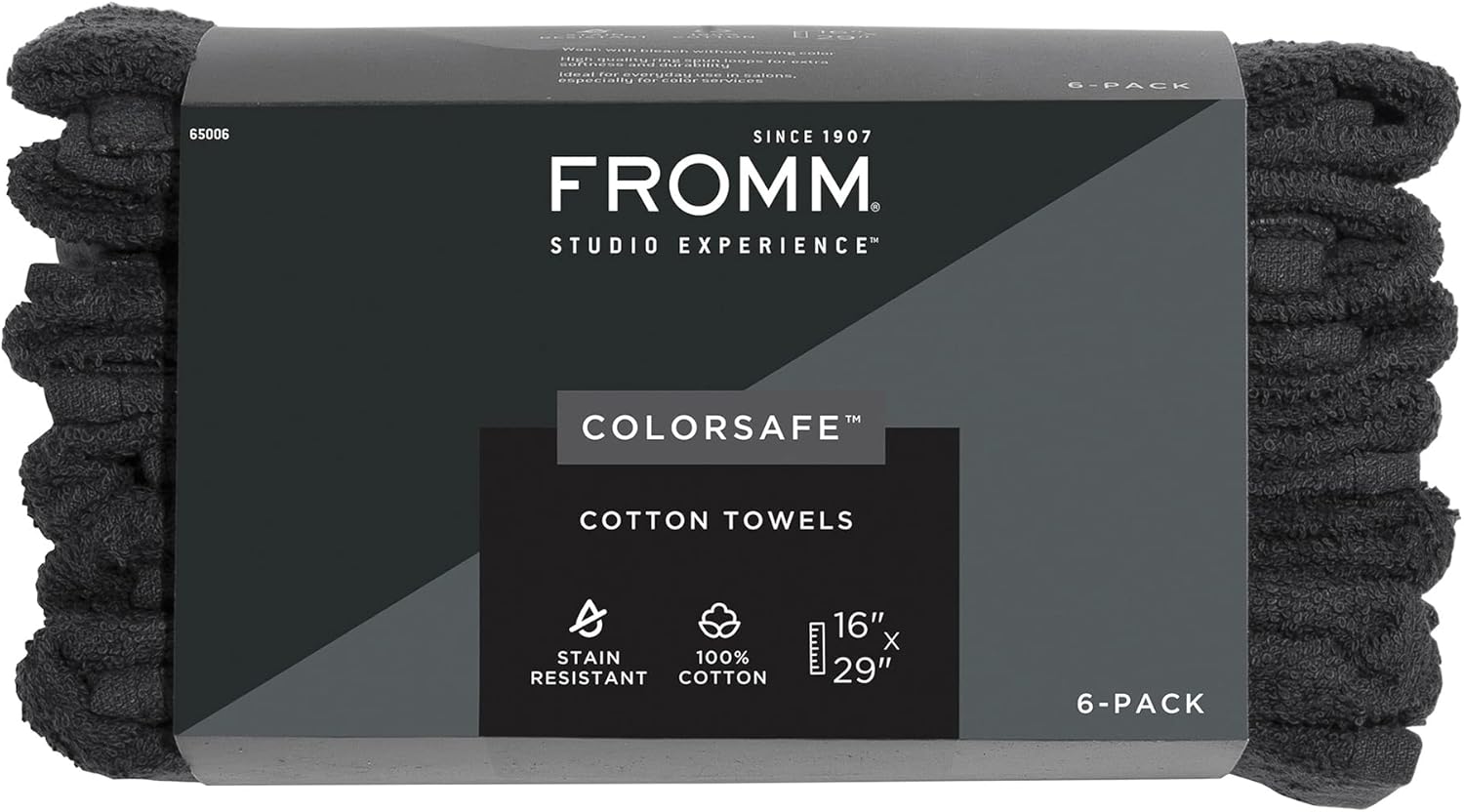
7. Gym Towel⭐⭐⭐⭐⭐
Fromm ColorSafe 100% Cotton Bleach Proof Towels
We recommend bleach-safe black towels because they stay looking clean despite repeated sanitizing and frequent washing. Commercial bleach-resistant towels are designed for that use.
Things beginners DON'T need
- Expensive lifting belt
- Wrist wraps
- Knee sleeves
- Chalk
- Specialty shoes
- Fancy gym bag
- Ten supplements
Save the money.
Build the habit first.